Captiva Spine Announces Initial U.S. Case Series for the WatchTower ROAM Spine Navigation System Powered by MIRRA with Aaron Creek, M.D.
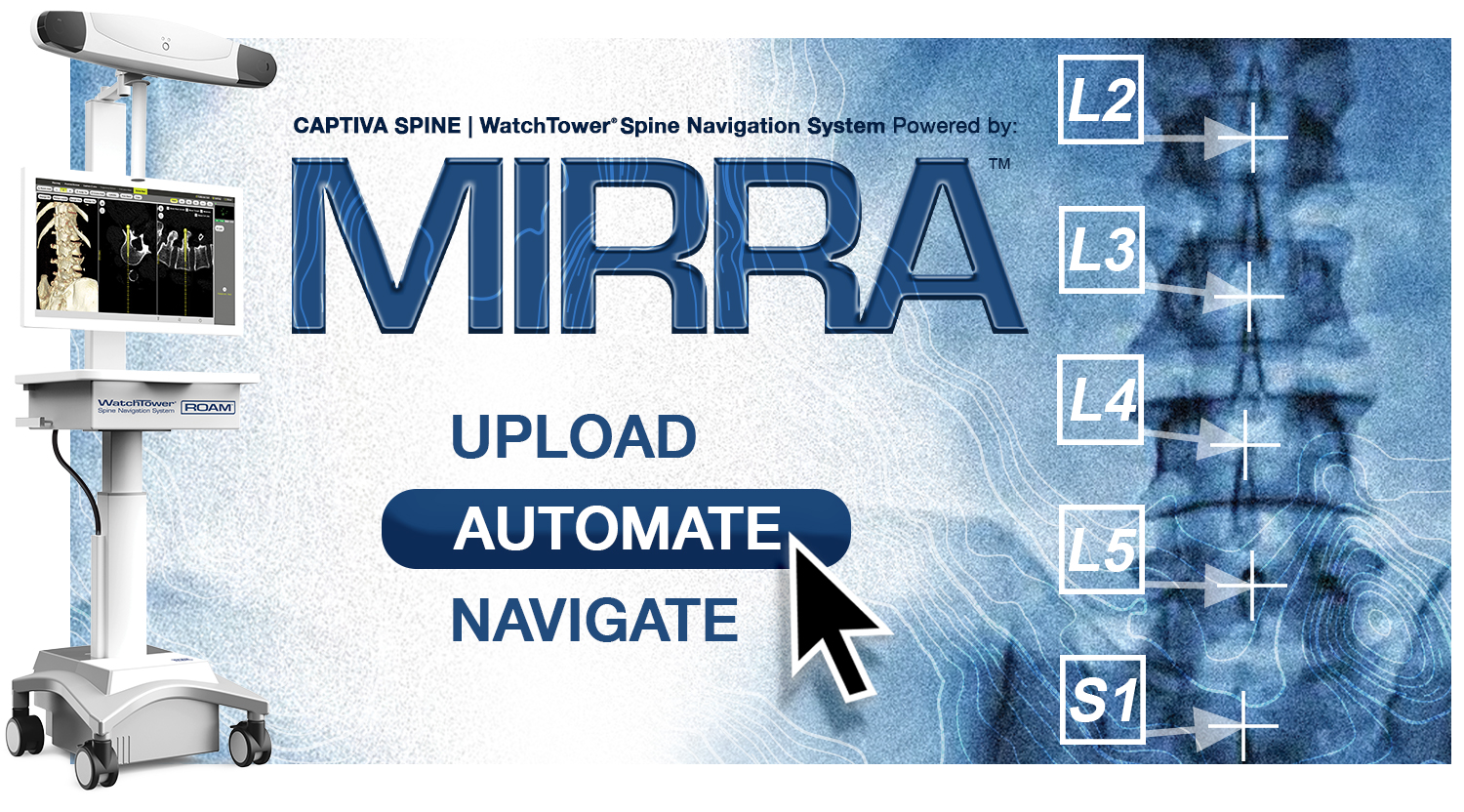
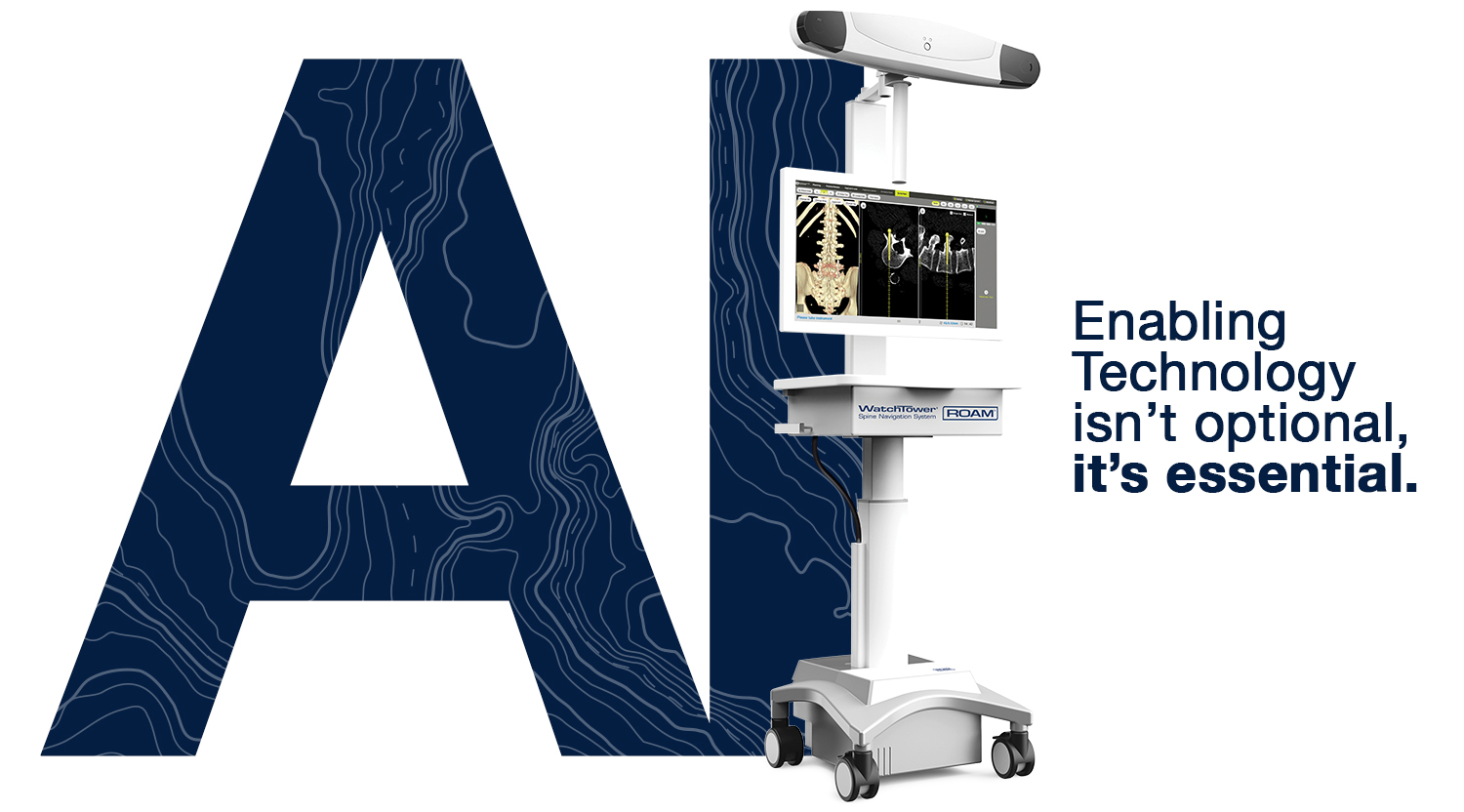
WatchTower®, Powered by MIRRA™, a next-generation system enhancement, is designed to automate 2D-to-3D registration using pre-op CT and C-arm images. The system eliminates the need for expensive intra-operative CT imaging equipment and reduces dependence on and costs of operator support, improving affordability and broadening adoption.
__________
Key Takeaways
- WatchTower Spine Navigation, powered by MIRRA, automates 2D-to-3D registration using existing pre-op CT and C-arm images.
- The system eliminates the need for costly intra-operative CT equipment, improving affordability and adoption.
- MIRRA enhances simplicity and efficiency, providing automatic alignment and mapping for surgeons.
- WatchTower is designed for broader market adoption and is accessible to various healthcare facilities without heavy investment.
- Captiva Spine focuses on delivering innovative spinal care solutions that enhance quality while managing healthcare costs.
__________
JUPITER, FL – April 2026 — Captiva Spine®, Inc., today announced an initial U.S. case series with Aaron Creek, M.D., of The Neck and Back Institute of Florida, centered on the evaluation of the WatchTower ROAM Spine Navigation System Powered by MIRRA™.
MIRRA offers Smart Registration for the WatchTower Spine Navigation System
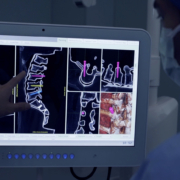
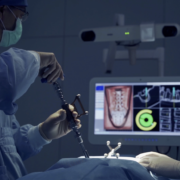
The WatchTower Spine Navigation System is a 2D-to-3D navigation platform that uses a pre-op CT and standard AP and lateral C-arm images to enable real-time 3D spine navigation. WatchTower’s proprietary registration algorithm eliminates dependence on expensive intra-operative CT scanning equipment, enabling 3D navigation with equipment the facility already has – the C-arm.
MIRRA — Map, Identify, Register, Report, and Align — is the next generation of enhanced registration software for the WatchTower Spine Navigation System. At the click of a button, MIRRA is designed to automatically run a proprietary algorithm to accurately align, identify, map, and register a CT scan. MIRRA then provides the surgeon with a concise report for inspection before initiating 3D spine navigation.
Intuitive design improves simplicity and efficiency for spine navigation
“Registration is the workflow step that makes 3D spine navigation of any kind possible. It is the most consequential step,” said Dale Mitchell, President of Captiva Spine. “Our objective with MIRRA is to make the WatchTower® Spine Navigation System automatic and intuitive, which translates to efficient ease of use.”
“MIRRA is a breakthrough solution,” said Dr. Creek. “I’ve completed over 250 cases with the WatchTower Spine Navigation System and have firsthand experience with other spine navigation systems. WatchTower has become my go-to platform. WatchTower, powered by MIRRA, is simple and intuitive, adding a new level of reliability and efficiency I know my peers will appreciate.”
System design enables broader market adoption without compromise
WatchTower, powered by MIRRA, aligns with Captiva’s broader product plans and the market’s growing demand for enabling technology that can be extended to additional service sites without imposing major infrastructure or financial burdens. WatchTower improves access to enabling technology by reducing initial investment and long-term operating expenses, thereby lowering the total cost of ownership.
“As important as the clinical utility is”, said Mitchell, “the broader impact of WatchTower Spine Navigation System is its applicability to a wider range of service sites. WatchTower is well-suited for traditional major metropolitan medical centers and smaller community hospitals. With MIRRA automation and no dependence on intra-operative CT scanning, it is also well positioned for outpatient centers (ASC), critical access hospitals (CAH), and rural access hospitals (RAH) seeking to avoid major CT scanner purchases and reduce long-term operating costs.”
“Medical costs are a national debate, and surgeons are increasingly involved in managing the business of medicine,” said Dr. Creek, “I operate at a variety of institutions. While MIRRA is impressive, I am equally impressed by how effectively my navigation distributor can support cases across multiple facilities during the week, with the same unit. This underscores the value of the system’s transportability for real-world use. Technologies like WatchTower Spine Navigation play a significant role in delivering quality care across all service sites. WatchTower provides me the performance I need for my patients while also managing costs.”
Advancing Commercial Readiness for WatchTower Spine Navigation System Powered by MIRRA
Captiva will initiate these advanced updates for WatchTower System customers in mid-2026 and accelerate commercial placements to meet demand. Contact Captiva Spine at info@captivaspine.com.
About Captiva Spine, Inc.
Captiva Spine, founded in 2007, is a privately held medical device company that brings healthcare providers, distribution professionals, and surgical facilities together with innovative spinal care solutions. With a focus on quality, Captiva Spine strives to develop reliable systems that offer clinical and economic solutions to the spine market.
Captiva Spine – Navigating Today.
__________
__________
This Press Release is also featured on PrWeb.com;
Frequently Asked Questions (FAQ)
MIRRA stands for Map, Identify, Register, Report, and Align. It is a next-generation software enhancement for the WatchTower Spine Navigation System designed to automate and simplify the registration workflow.
Registration is the step that connects the patient’s imaging to the navigation workflow. As noted in the article, it is the most consequential step because it makes 3D spine navigation possible.
The WatchTower system is a 2D-to-3D spine navigation platform that uses a pre-operative CT scan along with standard AP and lateral C-arm images to enable real-time 3D spine navigation.
WatchTower is designed to eliminate dependence on expensive intra-operative CT scanning equipment by using imaging tools many facilities already have, particularly the C-arm. This can reduce infrastructure burden and lower the total cost of ownership.
The system is positioned for broader adoption because it avoids reliance on intra-operative CT, reduces cost barriers, and supports use across a wider range of facilities, including major medical centers, community hospitals, ambulatory surgery centers (ASC), critical access hospitals (CAH), and rural access hospitals (RAH).
Captiva Spine stated that it plans to initiate these advanced updates for WatchTower system customers in mid-2026 and accelerate commercial placements to meet demand.